Practice you don't have to invent
Teach unit rates, and there's an auction that needs them. Teach the median, and there's a fisherman to prove wrong. You bring the lesson; the game brings a reason to use it.
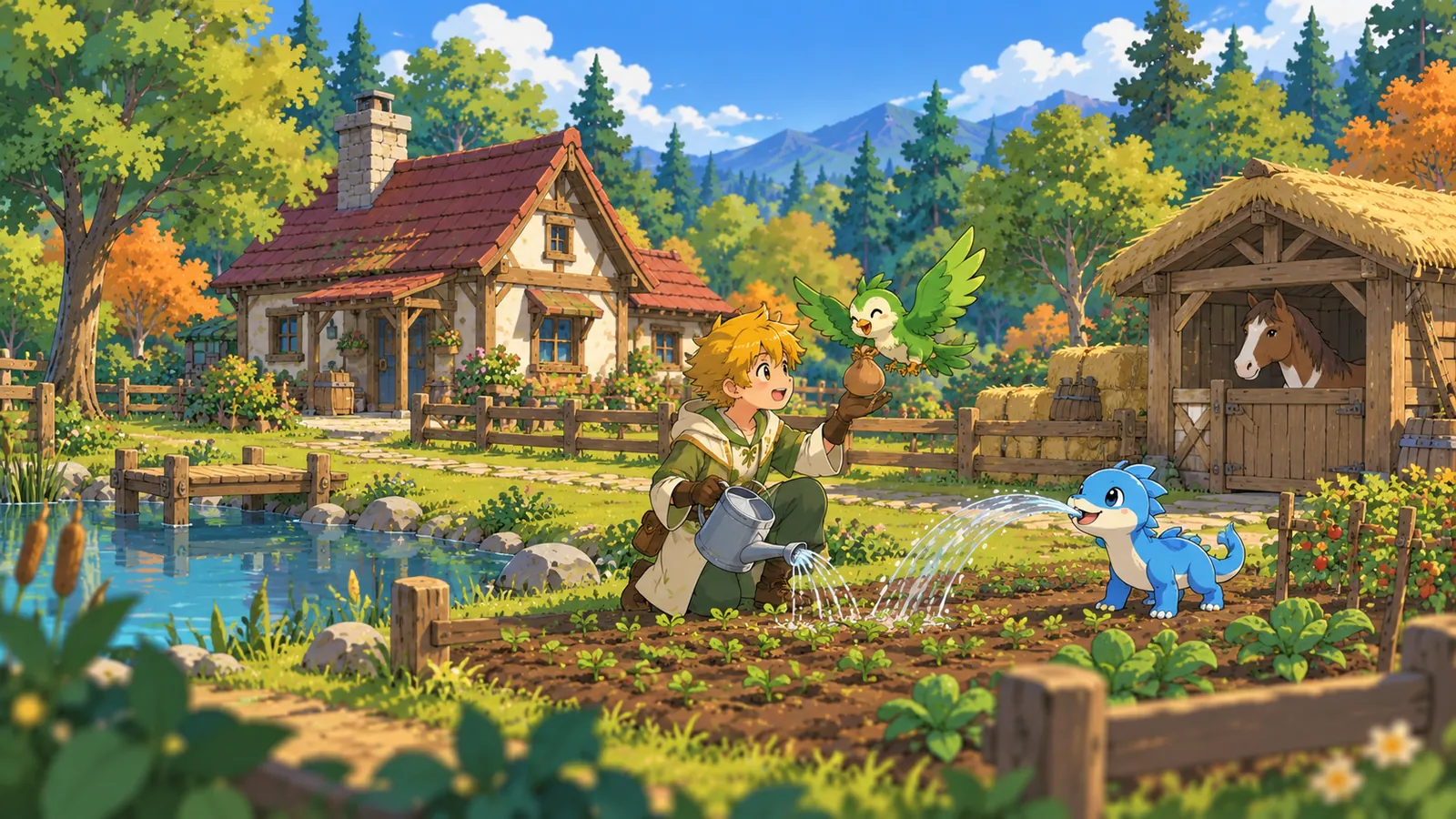
Hearthkin Woods is an online adventure game for grade 6 and up, where the math your kid practises gets used on real problems: pricing, measuring, sharing, weighing, planning. They do it because a character in the valley is stuck without it.
You already know the worksheet isn't the hard part. Seeing where the math goes is. This page is about using the game beside your lessons: what's in it, how families fit it in, and what to ask afterwards.
Homeschool already does real life well: baking, shopping, the garden. What's hard is finding a real problem for every unit. The valley has dozens waiting.
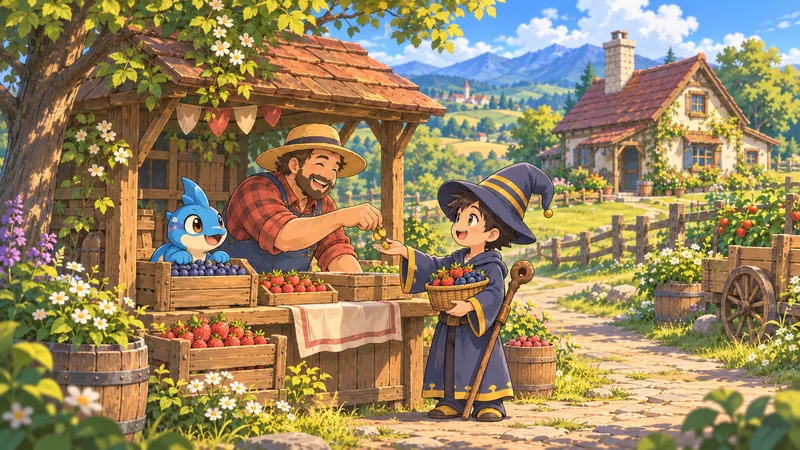
Teach unit rates, and there's an auction that needs them. Teach the median, and there's a fisherman to prove wrong. You bring the lesson; the game brings a reason to use it.
Nobody waits for the rest of a class, and nobody gets rushed. They move through the story as fast or as slowly as suits them.
Teaching a younger one at the kitchen table? An hour in the valley still uses this week's math, without you sitting beside them.
Ask them to talk you through a quest. Whether they can explain why they sold to that buyer tells you more than a page of right answers.
Forty-three quests use math, matched to the Common Core standards. They climb as the story goes on.
Counting stock for a market stall, measuring a fence line before building it, packing eggs into cartons of six, eight, ten or twelve, paying with coins that never change into bigger ones by themselves.
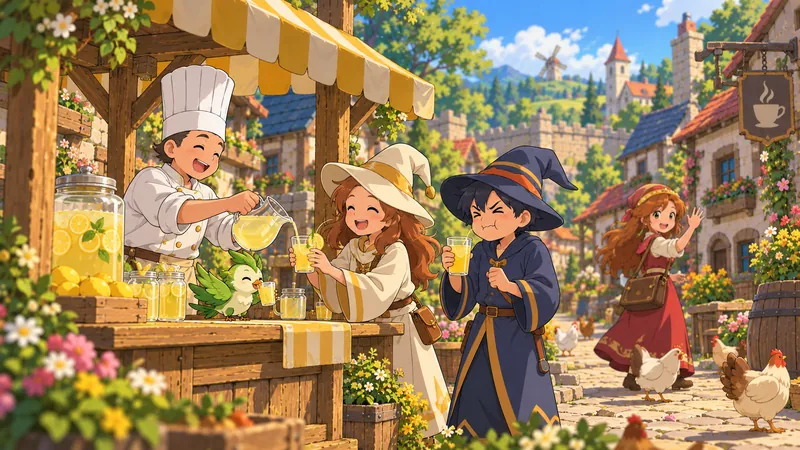
Mixing lemonade from half a lemon and three quarters of a jar, cutting pies into the slices each customer ordered, filling six lanterns to three quarters from a fixed budget of oil.
Best price per basket at an auction, working out prices from a pile of old bills, finding a typical fish with the median, weight changes below zero, covering a 10% tax.
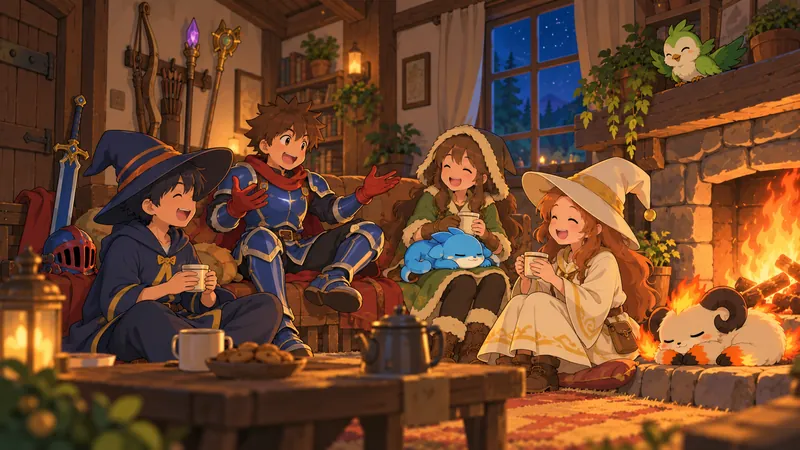
Teach the idea on Monday, and let them meet it in the game later in the week. The unit price lesson, then the berry auction.
It's a real adventure, and plenty of grown-ups enjoy it. Sit in for a quest and you see exactly how they think through a problem.
Friends can team up in parties of two to five, share rewards and take on the harder fights together.
It's a game first. Plenty of families just let it be the reward at the end of school, knowing the math still gets used.
The game does the long sums in most quests, so the thinking is in deciding what to work out. Asking them to explain it out loud is where it sticks.
Math is where it starts. The valley is being built to run on real rules, so later on your kid will earn a wage, budget it, save for something big, borrow and pay back, and run a small business of their own: the life-skills part of a homeschool year, practised where a wrong call costs game coins instead of real ones.
Those arrive a layer at a time. Today's game has the jobs, the coins, the shops and the market stall; the rest is what we're building next, and we'll only say it's in the game once it is.
A kid who gets good at Hearthkin Woods is also practising things every homeschool parent cares about.
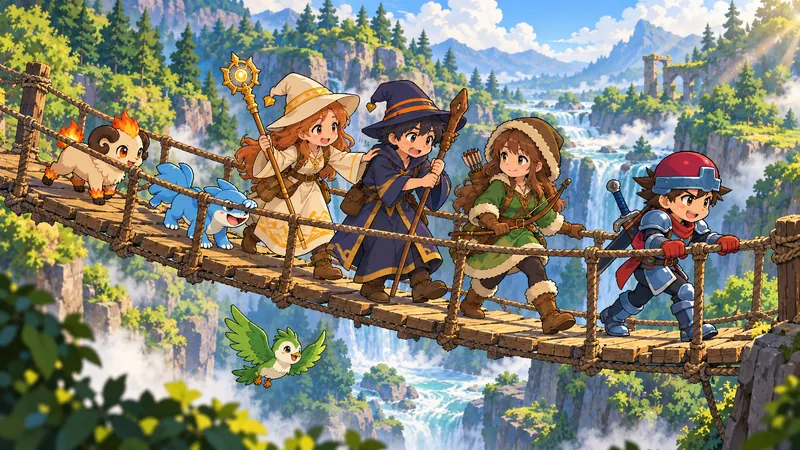
Recipe cards, packing orders and delivery addresses all have to be followed step by step.
Crops take days, the watering can runs dry and the day ends at bedtime.
Their creature companion needs feeding, care and time together to grow.
Every coin is earned, and the good things cost real savings.
Tables, chests, gates and fences, crafted from raw materials and placed by hand.
Everyone gets knocked out sometimes. Get up, change something, go again.
Not in a parent view yet. Today the best way is to watch a quest with them, or ask them to show you their quest log. A parent page with what they've finished is something we want to build.
Nobody can type in chat, at any age, and every name comes from lists we wrote. They can play without an account. There are no ads, no trackers and no loot boxes. The whole picture is on the for parents page.
Nothing while it's in testing. When we set a price, it will be something a parent decides once, never ads or anything sold to a kid at a checkout screen.
A laptop or desktop with a keyboard and mouse and a web browser. Nothing to install.
It's free, it runs in your browser, and you don't need an account to start. Play tonight, then tell us how it went. Running a co-op? Write to us and we'll help you set it up.